

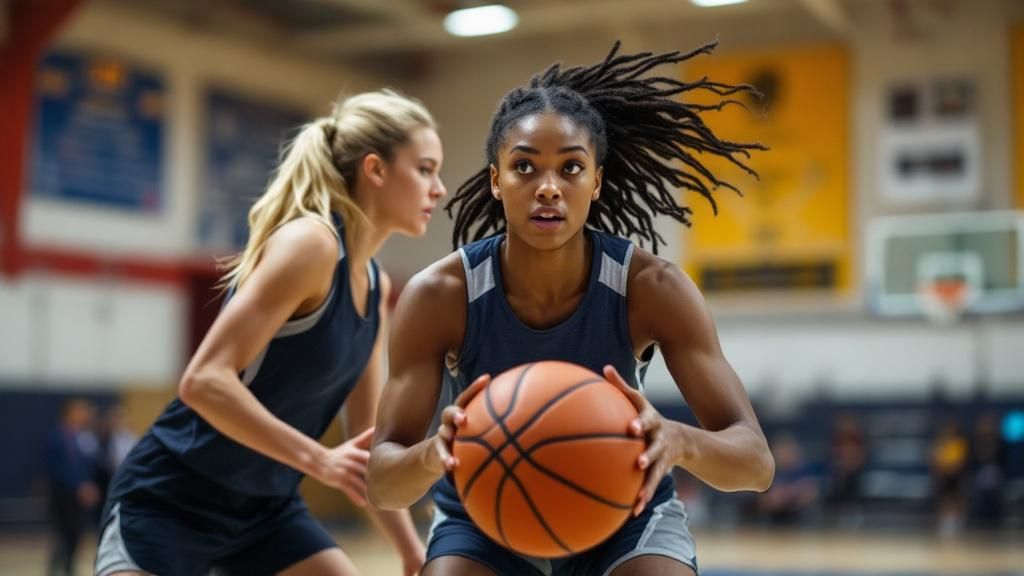
Women’s basketball in the United Kingdom is witnessing an unprecedented surge in participation, with historically high levels of girls and women competing on court in schools and community venues across the country. This substantial increase indicates evolving views towards female sport, enhanced support in youth development schemes, and the powerful influence of accomplished British performers on the global stage. From primary school children discovering the sport for the first time to experienced athletes playing at the highest standard, this article explores the key factors behind this basketball revolution and what it means for the development of female athletics in Britain.
Rising Participation Rates in Schools
Secondary schools throughout the United Kingdom have reported notably higher participation in girls’ basketball programmes during the last three years. Physical education departments have experienced exceptional interest for basketball clubs, with many institutions now operating multiple teams to accommodate eager participants. This surge demonstrates growing recognition of basketball as an accessible, engaging sport that develops essential skills including teamwork, coordination, and strategic thinking. The expansion has been especially pronounced in urban areas, though rural schools are progressively setting up programmes to serve their communities.
Primary schools have likewise embraced basketball, introducing the sport to younger students through structured coaching and casual participation. Many establishments have integrated basketball into their PE syllabuses, ensuring all pupils acquire foundational experience with the game. This early exposure has been crucial in building a consistent flow of players advancing to secondary school sport. Schools report that basketball’s inclusive nature appeals to girls of varying athletic abilities, fostering confidence and participation amongst formerly uninvolved students.
Investment in Facilities and Coaching
Educational institutions have allocated significant funding for upgrading basketball facilities, installing new courts and upgrading present amenities across the country. Local authorities and sports councils have granted resources to support these developments, acknowledging basketball’s capacity to involve young people in active pursuits. Schools have prioritised accessibility, ensuring facilities accommodate both competitive teams and recreational players. This infrastructure investment shows institutional commitment to sustaining ongoing expansion and delivering excellent opportunities for participants.
Recruitment and training of experienced coaching personnel has become a priority for schools throughout the nation. Many organisations have collaborated with national basketball organisations to secure certified coaches and professional coaching development programmes. Schools are delivering strong salary packages and ongoing professional growth opportunities to attract seasoned coaching professionals. Funding for coaching advancement ensures programmes maintain high standards, deliver quality teaching, and create positive experiences that encourage continued participation amongst women athletes.
- Installation of official basketball courts in schools throughout the nation
- Recruitment of qualified, certified basketball coaches for educational programmes
- Development of structured coaching education and professional advancement opportunities
- Partnership agreements with basketball governing bodies for support
- Allocation of sustained investment for equipment, maintenance, and programme delivery
Community Centres Leading the Charge
Community centres throughout the length of the United Kingdom have developed into pivotal institutions in advancing women’s basketball involvement to new highs. These welcoming venues have democratised the sport, offering budget-friendly initiatives to girls and women from varied economic backgrounds. By reducing financial constraints and providing inclusive spaces, community centres have become catalysts for local involvement, reshaping basketball from a limited interest into a popular pastime that resonates with communities nationwide.
The effectiveness of community-based initiatives has been remarkable, with many venues reporting high demand for basketball sessions and rising uptake for coaching credentials. These venues have committed significant resources in facility upgrades, equipment upgrades, and qualified staff to support increased participation. Furthermore, community centres have fostered welcoming environments that prioritise involvement over competition, motivating beginners to take up the sport confidently. This approach has proven particularly effective in engaging underserved communities and establishing enduring involvement with female basketball.
Grassroots Training Programmes
Community-based development initiatives form the cornerstone upon which growth in women’s basketball is developed across community centres throughout Britain. These formal schemes provide thorough progression pathways for athletes across all skill levels, from those new to the sport to those seeking competitive involvement. Built on principles of inclusivity, such programmes utilise experienced coaching staff who appreciate the specific requirements of women athletes. Community hubs have strategically invested in these programmes, acknowledging their potential to nurture talent whilst simultaneously building dynamic community basketball environments that extend far beyond the court.
The impact of grassroots programmes rests on their comprehensive strategy, combining technical skill instruction with individual growth and community involvement. Programmes typically feature adaptable timetables to accommodate educational responsibilities and work responsibilities, ensuring basketball is accessible to time-constrained individuals. Many community hubs have established mentorship initiatives matching veteran participants with new members, developing supportive networks that enhance participant retention. Additionally, these initiatives regularly feature leadership training and volunteer positions, equipping players to serve as advocates for female basketball within their local areas and motivating future generations.
- Accessible coaching programmes tailored to players of every standard
- Reasonable membership rates and funded initiatives for families facing financial hardship
- Frequent competitive events promoting good-natured competition and group cohesion
- Mentoring programmes connecting seasoned competitors with players progressing in their skills
- Management skill building and coaching accreditation for volunteers programmes
Removing Barriers and Altering Perceptions
The increase in women’s basketball participation across UK educational institutions and community spaces signifies a significant change in how people view female athletes and their potential. Traditionally, basketball has been considered as a male-dominated activity, yet this view is shifting at pace as more girls observe their peers performing well on the court. Educational institutions and community groups are actively challenging outdated stereotypes, establishing inclusive environments where girls feel empowered to follow their athletic goals without reservation or external pressure.
Community centres and schools have emerged as key facilitators of this social shift, creating opportunities for females of all ages to take part in basketball. The elimination of gender-specific obstacles has enabled thousands of participants to uncover their enthusiasm for the sport, whilst simultaneously fostering a atmosphere of unity and friendship amongst players. This welcoming strategy extends past simple involvement; it fundamentally reshapes how basketball is viewed in the UK, establishing it as a sport for the whole community rather than solely men.
Inspirational Examples and Inspiration
The influence of leading British women basketball athletes cannot be overstated in fuelling this growth in participation. Athletes such as Kara Mbodji, Azura Stevens, and other internationally recognised players have become powerful role models, illustrating that British women can perform at the top echelons of professional basketball. Their accomplishments inspire the next generation to pursue the sport seriously, whilst their visibility in mainstream media challenges traditional gender stereotypes and encourages girls to envision themselves as elite athletes capable of reaching similar levels of success.
Beyond elite sportspeople, community-based coaches, PE teachers, and local figures act as crucial role models for aspiring players. These individuals establish supportive environments where female athletes develop confidence, resilience, and technical skills vital to basketball success. The mix of prominent global athletes and committed community coaches forms a comprehensive network of motivation, showing that basketball career paths and accomplishments are achievable for British women at every level.
- Kara Mbodji’s global sporting journey motivates young British basketball players nationwide
- Press attention of female athletes increases visibility and promotes participation
- Community coaching staff provide mentorship and support for emerging female talent development
- Success stories from community programmes showcase accessible pathways to basketball
- Presence in televised sport establishes as standard women’s basketball as entertainment
Upcoming Opportunities and Government Backing
The path of female basketball in the United Kingdom looks exceptionally positive, with continued expansion projected across all demographics and involvement tiers. Sport England and UK Sport have recognised the expanding popularity and have committed considerable resources towards growth programmes. This organisational backing indicates a significant change in how women’s sport is prioritized across the nation, ensuring that the drive built in recent years will maintain its growth and reach previously underrepresented communities.
Looking ahead, key figures within the basketball community remain optimistic about the sport’s continued expansion. The blend of grassroots initiatives, professional role models, and increased investment establishes an optimal environment for sustained growth. With more girls engaging with basketball through schools and community centres, the stream of emerging talent flowing into competitive and recreational leagues looks more robust than previously , indicating an promising prospect for women’s participation in basketball throughout Britain.
Financial Resources and Strategic Objectives
State agencies and sports organisations have identified the critical importance of ongoing funding in women’s basketball advancement. Recent funding announcements have committed significant funding towards upgraded facilities, coaching education initiatives, and grassroots projects. These strategic investments reflect a authentic dedication to developing basketball as a cornerstone of women’s involvement in British sporting culture. The funding landscape has shifted considerably, with women’s basketball now receiving proportional support traditionally allocated to established sports.
Beyond capital allocation, collaborative alliances between schools, community centres, and professional clubs have created a comprehensive ecosystem supporting women’s basketball. These joint initiatives facilitate knowledge sharing, collective asset management, and talent development routes. National governing bodies have developed multi-year strategic roadmaps ensuring coordinated growth across regions. Such joined-up approaches optimise outcomes and ensure that expanded engagement translates into sustainable development at every level of the sport.
- Improved financial support targeting grassroots women’s basketball programmes across the country
- Coaching development programmes delivering trained coaches across schools and communities
- Enhanced facilities and support towards specialist court facilities
- Player recruitment routes connecting local talent with professional-standard opportunities
- Collaborative agreements linking professional clubs and local bodies
